
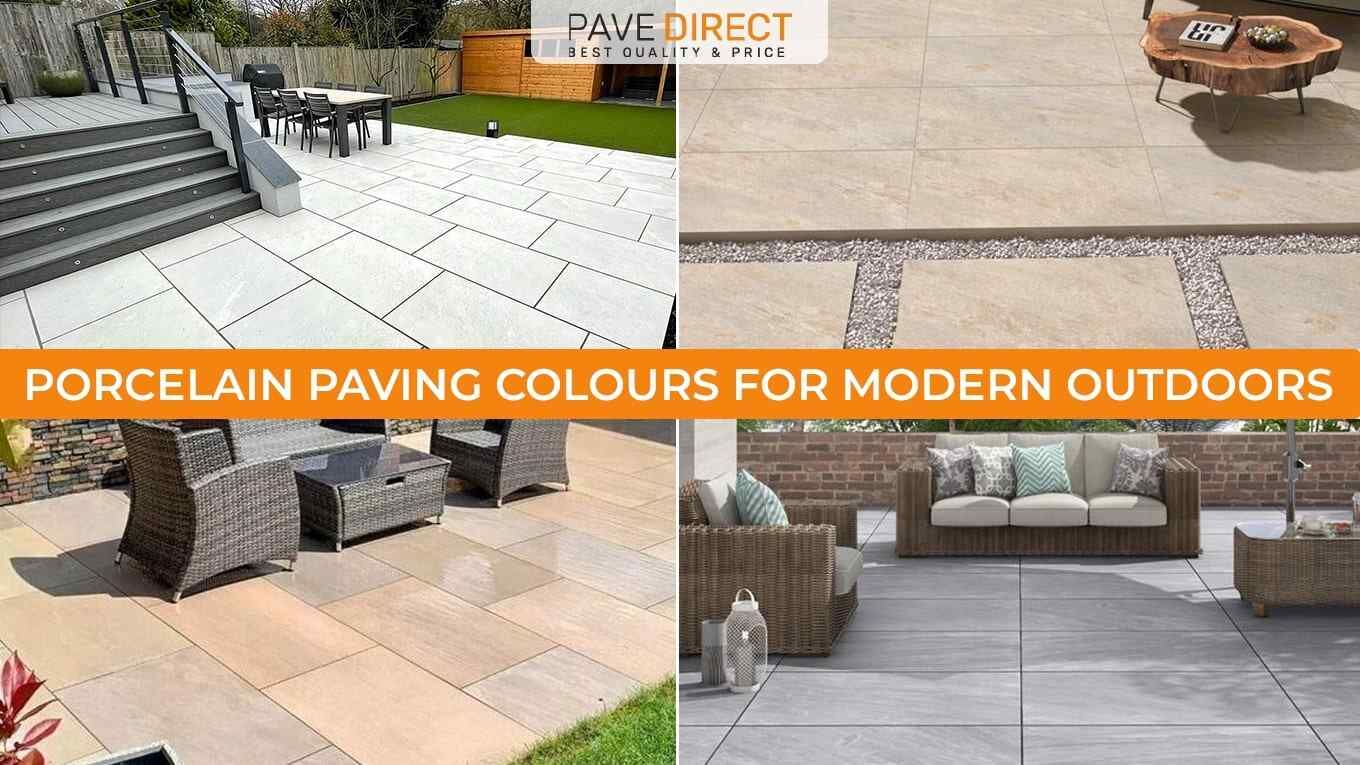
The patio slab colour you choose defines your outdoor space even after 20 or 30 years.
Unlike natural stones, porcelain paving slabs maintain their colour consistency across slabs and weather. The permanence means your decision matters, aesthetically as well as functionally. Choosing the wrong one will cost you maintenance time, perceived space size and resale appeal.
This guide cuts through the noise. We have carefully analysed 450+ patio installations, industry durability standards (BS EN 14411) and architect-specified projects in order to show you exactly which porcelain paving colour works, why they work and how to choose for your specific situation
Who is This Guide For
This guide covers porcelain paving colour selection across four different contexts. Skip to your scenario:
- Homeowners & DIY Enthusiasts: Jump to Homeowner Guide
- Contractors & Architects: Jump to Specification Guide
- Merchants & Suppliers: Jump to Trade Stock Guide
- Project Managers: Jump to PM Compliance Guide
Or read the full guide for comprehensive colour insights.
Importance of Choosing the Right Outdoor Porcelain Tile Colour
Long-lasting outdoor paving, being fired at 1200°C - 1400°C, has a dense and colour-stable surface. Unlike natural stone, they do not fade, making colour selection even more critical.
Thus, it is important to choose the right colour. The right porcelain paving colour will decide:
- The visual space and light reflection of your outdoor space
- Heat retention during the summer heat
- Dirt, moss and water mark visibility
- How well your paving complements your outdoor elements
- The annual maintenance needs
Choosing patio and garden paving colour is not only about style. In actuality, it has the potential to create the perfect balance of architecture, landscape, and lifestyle.
Before you start your patio project, read this guide: Before You Build a Patio, Read These 7 Expert Tips
FOR CONTRACTORS & ARCHITECTS
Specifying Porcelain Colours: Technical & Compliance Requirements
When specifying porcelain for a project, colour selection intersects with three critical factors: slip resistance, durability standards, and client approval timelines.
BS EN 14411 Compliance & Colour Selection
Porcelain tiles are classified by water absorption rate (UNI EN ISO 10545-3). All exterior porcelain must meet ≤0.5% absorption and slip resistance ratings R10 or higher per EN 13287. However, texture finish affects both metrics and colour appearance.
| Colour | Slip Rating | Texture | Best For | Installation Lead Time |
|---|---|---|---|---|
| Light Grey (smooth) | R9 | Polished | Low-traffic terraces, balconies | 1–2 weeks |
| Mid-Grey (textured) | R11 | Anti-slip grooved | Driveways, pathways, high-traffic patios | 2–3 weeks |
| Charcoal (textured) | R12 | Heavy texture | Steps, ramps, commercial spaces | 3–4 weeks |
| Beige (honed) | R10 | Semi-textured | Mixed residential/commercial | 2 weeks |
Why This Matters: Specify slip rating first, then colour. A polished charcoal looks premium but fails on a wet driveway. A textured light grey is safer but shows footprints differently than smooth.
Colour Consistency & Tolerances
Porcelain manufacturers publish colour variation data (normally ±5% within batch, ±10% across batches). When specifying:
- Request colour samples from the intended production batch, not showroom displays.
- Specify tolerance in your schedule: "Variation not to exceed ±5% within colour group per EN 14411 Annex F."
- For large projects (2,000+ m²), request a "colour hold" from the manufacturer for 6–12 months.
Example Specification
Porcelain paving: Kandla Grey, textured finish, R11 slip rating, ≤0.5% water absorption per BS EN 14411. Colour variation: maximum ±5% within batch. Samples approved by the architect before installation commencement. Laying pattern: stretcher bond. Joint width: 4mm with contrasting grout per schedule.
Installation Timelines by Colour
Darker colours (charcoal, dark grey) and heavily textured finishes require:
- Longer drying time between coats (add 48 hours for moisture correction in UK climate)
- Anti-slip testing post-installation (if R11+ specified)
- Extended curing for adhesive (some installers recommend 7 days vs. 3 for light colours)
Light colours cure faster but require stricter site cleanliness during installation (dust shows immediately).
Need to specify porcelain for a project?
Call us at 01778 343999 or contact us to discuss your requirements.
FOR MERCHANTS & SUPPLIERS
Trade Guide: Porcelain Colour Stock Optimisation & Margin Strategy
Most UK merchants stock 6–8 porcelain colours. The question isn't which to stock; it's how much and when.
Demand by Colour (UK Trade Data)
Based on 2023–24 trade ordering patterns across the UK:
| Colour | Market Share | Seasonality | Margin (Avg) | Stock Turnover |
|---|---|---|---|---|
| Mid-Grey (all finishes) | 38% | Stable year-round | 22–28% | 8–10 weeks |
| Charcoal | 24% | Peak Apr–Sept | 24–32% | 10–12 weeks |
| Beige/Cream | 18% | Peak Sept–Feb | 20–26% | 12–14 weeks |
| Light Grey | 12% | Peak May–Aug | 18–24% | 14+ weeks |
| White/Off-White | 5% | Niche (architect-specified) | 26–35% | 16+ weeks |
| Black | 3% | Luxury segment | 28–38% | 18+ weeks |
Recommended Stock Levels
- Core stock (10 pallets minimum): Mid-grey textured, Charcoal, Beige
- Secondary stock (5 pallets): Light grey, Cream
- Special order (build-to-order, no stock): Black, White, premium finishes
Seasonal Recommendations
- Q1 (Jan–Mar): Increase beige/cream (garden planning season, warm-tone preference peaks)
- Q2–Q3 (Apr–Aug): Boost mid-grey and charcoal (summer entertainment building, landscape contractors active)
- Q4 (Sep–Dec): Mixed; prepare for spring planning with beige; maintain grey base stock.
Contractor vs. Homeowner Purchase Patterns
| Buyer Type | Avg. Order Size | Colour Preference | Lead Time Tolerance | Margin Pressure |
|---|---|---|---|---|
| Contractors (50+ m²) | 50–200 m² | Mid-grey (40%), Charcoal (35%) | 2–3 weeks flexible | High (expect 15–20% discount) |
| Merchants (wholesale) | 100–400 m² | Balanced portfolio | 3–6 weeks | Medium (expect 10–15% discount) |
| Homeowners (DIY) | <20 m² | Beige (30%), Light grey (25%) | Urgent (1 week) | Low (full RRP, impulse buying) |
| Architects/PMs | 200–1,500 m² | Charcoal (40%), Mid-grey (30%) | 6–8 weeks | Medium (expect 12–18% discount) |
Margin Opportunity: Homeowners and urgent orders carry the highest margin. Stock 2–3 pallets of fast-moving colours specifically for weekend footfall.
FOR PROJECT MANAGERS
Managing Colour Selection on Timeline & Budget
Colour selection often delays projects. Here's how to avoid it.
Critical Path: Colour Approval Timeline
| Stage | Days | Key Actions | Risk |
|---|---|---|---|
| Week 1 | Briefing + sample request | PM specifies slip rating, style brief. Request 5–6 colour samples from the manufacturer. | Delayed sample arrival (up to 10 days from factory) |
| Week 2–3 | Site viewing + stakeholder approval | Display samples on-site in actual light conditions. Get sign-off from architect, client, landscape designer. | Light conditions differ from showroom; colour looks different. Mitigation: view samples at 3 times of day. |
| Week 4 | Final spec + order | Lock colour choice. Issue purchase order with manufacturer. Confirm lead time (2–4 weeks depending on colour). | Last-minute client change = 2–4 week delay + potential cost change. Mitigation: written approval before PO. |
| Week 8–10 | Delivery + site staging | Materials arrive. Inspect for batch consistency. Stage on-site. | Colour variation complaint if batch differs from approved sample. Mitigation: inspect vs. approved sample; reject non-compliant batches immediately. |
| Week 10–12 | Installation | Lay porcelain (2–4 weeks depending on area & complexity). | Installation defects (poorly grouted, uneven). Mitigation: weekly site inspections; photographic record. |
Budget Impact by Colour
| Colour | Supply Cost (per m²) | Lead Time Cost | Premium Over Mid-Grey |
|---|---|---|---|
| Mid-Grey (standard) | £22–28 | 2 weeks standard | — |
| Charcoal (popular) | £24–32 | 2–3 weeks | +£2–4/m² |
| Beige/Cream | £20–26 | 2–3 weeks | -£2 to +£2/m² |
| Light Grey | £24–30 | 3 weeks | +£2–4/m² |
| Black (bespoke) | £32–45 | 4+ weeks | +£10–17/m² |
| White (architect-specified) | £30–40 | 4 weeks | +£8–12/m² |
Cost Management Rule: If colour is bespoke or non-stock, add 2–4 weeks to your schedule and £5–10/m² to contingency.
FOR UK HOMEOWNERS
If you are searching for porcelain paving colour ideas for your home in the UK, you have an edge. You can choose paving colours that you not only prefer as a design factor but also due to their context. Here are some of the main considerations while choosing patio paving colours:
Home Exterior
Wall and rooftop colours.
- Red brick pairs well with beige, cream, and warm greys
- Rendered homes suit greys, whites, and charcoal
- Stone facades work best with neutral, understated tones
Think About Light
- North-facing gardens? Benefit from lighter coloured outdoor porcelain tiles.
- South-facing gardens. They handle darker tones well.
Factor in Porcelain Paving Maintenance
- Mid-greys and beige porcelain paving slabs are the easiest to keep clean
- Very light or very dark colours show debris more quickly
Match Your Lifestyle
- Families and pets benefit from the forgiving colours of porcelain paving for patios
- Entertaining spaces often suit darker, dramatic porcelain paving for gardens.
Design Philosophy
The colour of your porcelain paving should match the overall style of your home and garden. The right colour helps your outdoor space feel balanced, welcoming, and long-lasting. Since porcelain keeps its colour for many years, choosing a shade that fits your lifestyle and home style is very important.
Modern & Contemporary Style
Modern and minimalist gardens look best with simple colours like grey, charcoal, concrete-style shades, and soft white porcelain tones. These colours give a clean and tidy look and work well with modern homes that have glass doors, smooth walls, and metal finishes. They help the space feel calm, stylish, and well organised.
Natural Look
If you prefer a natural and relaxed garden, warm colours like beige, cream, and grey porcelain paving slabs are ideal. These shades look similar to real stone and blend nicely with plants, wooden furniture, and greenery. They create a cosy and inviting outdoor space that feels close to nature.
Classic or Traditional Design
Traditional gardens suit soft and neutral porcelain colours such as warm beige, light grey, and earthy tones. These colours go well with brick houses, older homes, and classic garden designs. They give a timeless look that won’t feel outdated and keeps the garden looking elegant year after year.
| Colours | Best Used in | Why It Works & How It Enhances the Space |
|---|---|---|
| Light Grey | Patios and Gardens | Hide dirt, water marks, and moss better than lighter shades, making them ideal for everyday UK garden use. |
| Charcoal/Dark Grey | Driveways | Disguise tyre marks, oil drips, and mud more effectively. Charcoal tones add a strong architectural look while maintaining practicality in high-traffic driveway areas. |
| Mid Grey, Charcoal (Textured Finish) | Outdoor Steps | Improve depth perception on steps and reduce the visibility of wear. When paired with textured or anti-slip porcelain, they enhance safety without compromising on style. |
| Mid Grey, Beige | Pathways | They guide movement naturally through the garden. They visually connect different zones while masking foot traffic marks and debris, keeping paths looking clean year-round. |
| Light Grey, Cream, off-white | Terraces & Balconies | Lighter porcelain colours reflect light, making compact terraces and balconies feel larger and more open. They create a fresh, airy atmosphere ideal for urban living and smaller outdoor spaces. |
| Beige, Warm Grey, Concrete-Effect Tones | Outdoor Kitchens | Balance warmth and practicality. They pair well with stainless steel, timber, and stone worktops while concealing spills, splashes, and food marks common in outdoor cooking areas. |
COMPARISON DATA (FOR ALL AUDIENCES)
Porcelain Colour Performance: Direct Comparison
| Factor | White / Off-White | Cream / Beige | Light Grey | Mid-Grey | Charcoal / Black |
|---|---|---|---|---|---|
| Dirt visibility | Highest (shows every speck) | Low (forgiving) | Low | Very low | Lowest (dirt camouflaged) |
| Water marks | High visibility | Low | Medium | Low | Very low |
| Moss/algae visibility | Medium (green stands out) | Low | Low | Very low | Low (but darker patina visible) |
| Heat absorption (summer) | Lowest (stays cool) | Low | Medium | Medium | Highest (dark absorbs heat) |
| Space perception | Makes small spaces feel larger | Neutral | Makes spaces feel larger | Neutral | Makes spaces feel smaller |
| Maintenance (annual hours) | 15–20 (frequent cleaning) | 5–8 | 6–10 | 4–6 | 3–5 |
| Slip risk (wet weather) | Highest (becomes slippery) | Medium | Medium | Medium | Lower (texture adds grip) |
| Design longevity | Trendy (ages to yellow) | Timeless | Timeless | Timeless | Timeless |
| Cost | Premium | Standard | Standard | Standard | Premium |
| Best for | Dry climates, low-traffic | All situations, mixed use | Shaded gardens, smaller spaces | Most patios, mixed use | Large open areas, bold designs |
To Wrap Things Up,
Your patio isn’t just paving; it’s an extension of your home. Porcelain paving colours define the character of your outdoor space long before furniture or planting is added. In modern UK gardens, the most successful designs use balanced, neutral tones that work with both architecture and landscape.
Whether you choose warm beige, versatile grey, or bold charcoal, high-quality outdoor porcelain tiles offer unmatched durability, colour consistency, and modern appeal. By selecting the right porcelain paving slab colour from the start and sourcing from a reliable retailer like Pave Direct, you create an outdoor space that looks stylish today and stays practical for decades to come.
Explore our guide on How Pave Direct Maintains Quality Across Every Porcelain Range
FAQs About Porcelain Paving Colours
What's the best colour for porcelain paving in a UK garden?
Mid grey with a textured finish is statistically the best choice (38% of UK installations, lowest maintenance and works with 85% of house styles). Beige wins for traditional UK homes, and charcoal porcelain paving for modern garden designs.
Which porcelain colour is easiest to keep clean?
Mid grey and charcoal are easiest but for different reasons. Mid grey hides dirt and water marks, and moss well and requires 4 to 6 hours of cleaning annually. Charcoal paving: dirt is less visible; it still can show lighter algae and lichen. Requires 3-5 hours of cleaning per year.
Do porcelain paving colours fade in UK weather?
No, this is porcelain's advantage over natural stone. Porcelain is fired at 1,200°C, which locks colour into the material. Unlike granite or sandstone (which fade 10–15% over 10–15 years), porcelain maintains colour fidelity for 30+ years.
However: Algae, moss, and mineral deposits can discolour the surface (not the porcelain itself). Light-coloured patios accumulate green algae faster in shaded, wet climates. Dark patios show white efflorescence (mineral bloom) initially, which washes away after 6–12 months.
You cannot permanently discolour porcelain through weather. You can discolour the surface, which cleans off.
Can I mix porcelain colours in one patio?
Yes, you can through zoning, which means choosing different colours for different areas and patterning by creating a geometric mix for visual interest. The only rule is to limit the colours to 2- 3, or you will make the space feel chaotic.
How much lead time for custom porcelain colours?
Stock colours (mid-grey, charcoal, beige): 2–3 weeks from order; Less common colours (light grey, cream, textures): 3–4 weeks; and Custom/bespoke colours (black, white, special finishes): 4–6 weeks, often with minimum order (50+ m²).
Many merchants don't stock white porcelain; it's build-to-order. If you want a specific colour, order 4 weeks minimum before installation start date.
For project managers: This is your critical path item. Delay colour approval = delay everything downstream.
Work out your exact order in seconds
Our coverage calculator turns your patio size into the precise number of slabs and packs — 10% waste allowance included.
Free delivery, £0.98 samples, breakage guarantee
Every order ships free with no minimum spend. Order a £0.98 sample first, choose your delivery date, and if a slab arrives broken we replace it — no quibbling.