
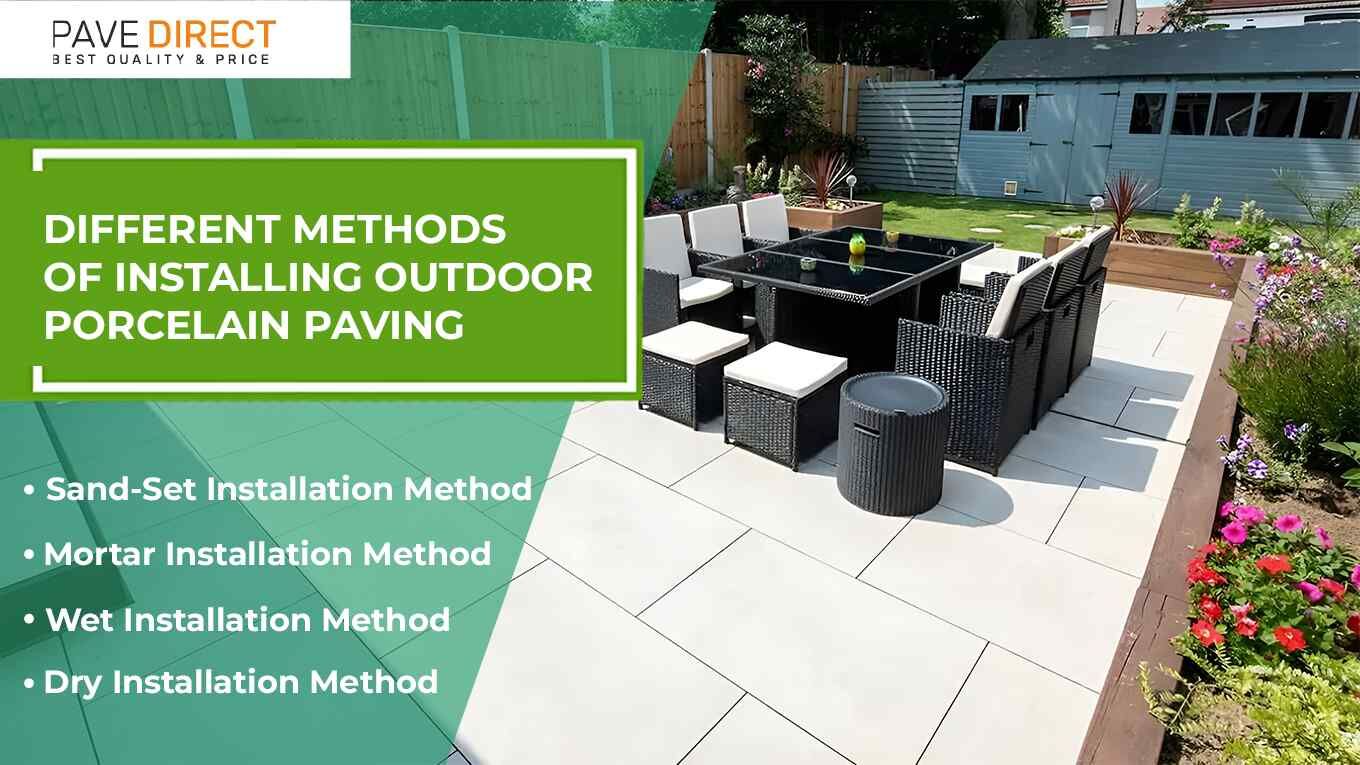
Installing Outdoor Porcelain Paving
Outdoor porcelain is an exceedingly sought material for landscaping and paving endeavors. Its robustness, versatility, and minimal maintenance properties have gained popularity amongst UK homeowners, architects, and landscapers alike.
Outdoor porcelain has been expressly designed for use in outdoor settings, endowed with additional features that render it impervious to climatic changes and other external factors.
Porcelain paving slabs are highly sought-after alternatives that lend a streamlined and contemporary appearance to outdoor spaces. Within the ambit of this blog, we shall delve into diverse methods for the installation of outdoor porcelain.
What Are Outdoor Porcelain Paving?
Outdoor porcelain tiles represent a specialized and tailored type of paving that has been purposely fashioned and created for installation within outdoor areas through the process of vitrification.
These specific units are presented in a diversity of:
- Chromatic shades
- Sizes
- Surfaces
That can be utilized in many distinct contexts, encompassing open-air patios, pedestrian thoroughfares, and swimming pool surroundings.
Moreover, these distinctive outdoor porcelain pavements afford an easy and low-maintenance composition, that simultaneously guarantees an impermeable and slip-resistant nature, thus constituting a practical and sophisticated choice for outdoors.
Different Methods of Installing Outdoor Porcelain Paving:
1. Dry Installation Method:
This method is a prevalent approach for outdoor porcelain paving installation without using traditional wet mortar or adhesive. Instead, a specifically tailored system is utilized to enable the tiles to be laid directly onto a robust foundation, such as compacted sand or gravel.
Steps to Install Outdoor Porcelain Paving
- Lay the tiles in a particular pattern.
- Space them out with the help of plastic spacers.
- Administer a layer of jointing sand over the top layer.
- Let the joints settle into the gaps amidst the tiles, thus crafting a firm and enduring surface.
Advantages of the Dry Installation Method
- A relatively quicker and easier method.
- Less messy compared to traditional wet techniques.
- Allows for easy access to any utilities or services that may be located under the paving.
- A more sustainable option, as it eliminates the need for the use of harmful chemicals.
- Reduced waste.
2. Wet Installation Method
This method is a frequently utilized technique for outdoor porcelain paving, particularly for larger projects or locations necessitating a robust and steady foundation.
Steps to Install Outdoor Porcelain Paving
- Apply a wet mortar mix onto the base layer and the undersurface of each paving slab.
- The mortar mix must comprise cement, sand, and water.
- Spread uniformly employing a trowel or a screed.
- Place the paving slabs atop the mortar.
- Leave little gaps between each slab to enable expansion and contraction.
- Hammer down the slabs cautiously with a rubber mallet, so that they are level and secure.
- After the mortar dries (typically within 24-48 hours), fill the gaps between the slabs with grout or jointing compound.
The wet installation method is a tried and tested approach for installing porcelain patio tiles, suitable for both residential and commercial ventures.
3. Mortar Installation Method
When it comes to installing outdoor porcelain tiles, several methods can be used, but one of the most common is the mortar installation method.
Steps to Install Outdoor Porcelain Paving
- Use a trowel to apply the mortar in small sections, starting at one corner and working your way across the surface.
- Place the tiles on top of the mortar.
- Leave a gap of around 2-3mm between each tile for the grout.
- Tap them into place with a rubber mallet to ensure they are leveled.
- If necessary, cut the tiles to fit around the edges of the surface using a tile cutter.
- Once the mortar has dried, remove any excess mortar from the surface.
- Fill the gaps between the tiles with grout using a grout float.
- Clean the surface with a damp sponge to remove any grout residue.
The mortar installation method is an effective way of installing outdoor porcelain paving, but it does require some skill and experience to get it right. It's important to follow the manufacturer's instructions carefully and to take your time to ensure a high-quality finish.
4. Sand-Set Installation Method
The sand-set installation method is an effective technique for installing outdoor porcelain paving.
Steps to Install Outdoor Porcelain Paving
- Lay the tiles over a layer of compacted sand with small gaps between each tile.
- Fill the gaps with more sand to create a stable and level surface.
Advantages of the Sand-Set Method
- Allows for easy removal and replacement of individual tiles.
- Provides drainage between the tiles.
- Proper quality and compacting prevent movements of the tiles over time.
- A straightforward method that can be used by a skilled DIY enthusiast or a professional landscaper.
5. Hybrid Installation Method
It combines the best features of both traditional and modern methods.
Steps to Install Outdoor Porcelain Paving
- Apply a thin layer of bonding adhesive to the prepared base, such as concrete or gravel.
- Lay the porcelain paving slabs on top.
Advantages of the Hybrid Installation Method
- A quicker and easier than traditional methods that require a thick mortar layer.
- Provides a high level of stability and durability, thanks to the strong bond created by the bonding adhesive.
- Highly versatile, for a greater variety of design and layout options.
- Can be used with irregularly shaped paving slabs.
- Can be adjusted easily during installation.
- A great choice for custom projects.
- Eliminates the need for grouting between the paving slabs.
- Reduces the amount of maintenance required over time.
- Offers a cost-effective and practical solution for outdoor porcelain paving installation.
6. Raised Pedestal Installation Method
The raised pedestal installation method is a quick and easy way to install outdoor porcelain paving.
Steps to Install Outdoor Porcelain Paving
- Level the pedestal surface.
- Create a flat surface on uneven ground.
- Place the porcelain tiles on top of the raised pedestals.
Advantages of the Raised Pedestal Installation Method
- A versatile and flexible installation approach.
- Used for a variety of outdoor paving projects.
- Provides easy access to access pipes and cables beneath.
- The gaps between the tiles allow for good drainage.
- Prevents water from pooling on the surface.
Conclusion
In conclusion, there are different methods of installing outdoor porcelain pavers, including the traditional wet installation method, the dry installation method, and the raised pedestal installation method.
The choice of installation method depends on factors such as the location, size, and design of the project, as well as personal preferences and budget.
It is essential to choose a reputable supplier like Pave Direct and installer to ensure that the outdoor porcelain paving is of high quality and installed correctly. With proper installation and maintenance, outdoor porcelain paving can enhance the beauty and functionality of outdoor spaces for years to come.
Frequently Asked Questions!
How to Install Porcelain Paving Slabs?
The most popular method of installing porcelain paving slabs is the Mortar Installation method where you:
- Apply the mortar in small sections.
- Place the tiles on top of the mortar leaving a 2-3mm gap between each tile for the grout.
- Tap them into place with a rubber mallet to level.
- Remove any excess mortar from the surface after it dries.
- Fill the gaps between the tiles with grout.
- Clean the surface with a damp sponge.
How do you cut outdoor porcelain pavers?
Wet Cutting is the best-recommended method to cut Porcelain paving slabs. It allows precise cutting and a safe way to avoid dust getting into your system. But it does not mean that you avoid safety measures. Wear proper work gloves, safety goggles, and a mask.
What are the problems with porcelain paving?
There is a higher chance for your outdoor porcelain pavements to move if you do not use the correct base or have not properly leveled the area. You need to examine and follow the professional guide to install these pavings.
Do porcelain pavers need a gap?
Yes. You need a gap of 2mm to 3mm spaces between each paving slab to allow it to expand or contract as needed. After the mortar dries down, fill the joints with jointing compound or grout and clean the excess for a more professional look.
Is porcelain hard to cut?
The durability and strength of Porcelain paving slabs come from their hardness. They are tough material and you need a professional cutting tool to cut them. Some of the tools focus on fast cutting and some on the precision that is required.
Additional Reading!
Work out your exact order in seconds
Our coverage calculator turns your patio size into the precise number of slabs and packs — 10% waste allowance included.
Free delivery, £0.98 samples, breakage guarantee
Every order ships free with no minimum spend. Order a £0.98 sample first, choose your delivery date, and if a slab arrives broken we replace it — no quibbling.