
The Indian sandstone patio slabs have gained much popularity among the gardening community and home developers who would wish to incorporate the beauty of durability into their patios. Indian sandstone slabs are known for their unique colors, patterns and strength, and make for a great and long-lasting patio area.
This guide includes the following information, which styles and colors are available and tips for installation and care.
What Are Indian Sandstone Patio Slabs?
Indian sandstone patio slabs are the Natural Paving Slabs quarried and crafted in India, which are known for their durability, having unique color variations and natural textures. Due to their beauty and strength, they are perfect for patios, garden paths and other outdoor areas where weather and foot traffic will happen.
Key Benefits of Indian Sandstone
- Durable: Resistant to weather changes which make them useful in different environment conditions.
- Versatile: And available in many colors and finishes for traditional or contemporary design.
- Eco-Friendly: Will be a natural material with a long lifespan needing minimal maintenance.
Types of Indian Sandstone Patio Slabs
Indian sandstone patio slabs come in various kinds varying in the texture and finishes depending on the required aesthetics as well as functionality.
Honed Indian Sandstone
Sandstone that has been honed has a polished finish so it looks more established like polished stone and is more business. It may be honed sandstone, which is slightly more slippery when wet.
Riven Indian Sandstone
To preserve the sandstone's natural surface, it is hand cut leaving it to be extremely durable and rugged with great gripping qualities due to the rugged surface which prevents slipping, great for outdoor patios in a rainy climates.
Tumbled Indian Sandstone
Aged Tumbled sandstone looks like it's aged through years: the edges are gently rounded, the color is softened and it works with a rustic or traditional look.
How to Choose the Right Color for Your Patio?
Indian sandstone has a wide range of colour choice that combines well with every landscape design.
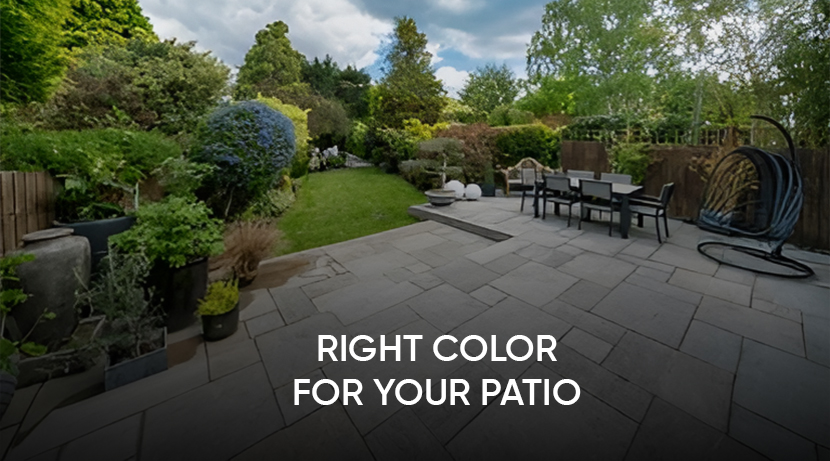
Aesthetics of Popular Colors
- Raj Green: Traditional, earthy with a mix of greens and browns.
- Kandla Grey: Grey tone that is versatile and fits well with modern or minimalist designs.
- Fossil Mint: A natural (or rustic) feel and a warm beige with fossil imprints.
- Autumn Brown: Bringing warmth and depth to any outdoor space, rich brown shades.
Tips for Color Selection
- Match with surroundings: In either case, you’ll need to choose colors that blend with your existing garden elements or house exteriors.
- Consider lighting: Beige and mint colored items can really help to brighten shaded areas while darker colors can bring contrast and life to the sunny side.
- Blend or contrast: Combining many colours will give you a pattern that is unique where as a single tone gives you a sleek unified look.
Installation Process for Indian Sandstone Patio Slabs
Due to Indian sandstone slabs not being guaranteed to be level and stable without being prepared, installing isn’t easy.
Tools and Materials Needed
- Sandstone slabs
- Sand or gravel (for the base)
- Cement
- Trowel
- Spirit level
- Rubber mallet
- Protective gloves and goggles
Step-by-Step Installation for Indian Sandstone Patio Slabs
Prepare the Base: Remove all the loose material and lay a compacted layer of sand or gravel.
- Mix the Mortar: The cement is mixed with water to form the slabs’ stable base.
- Lay the Slabs: Use a spirit level to check the slabs are even and position on to the mortar.
- Tap into Place: Gently drum each slab down with a rubber mallet until it sits down firmly.
- Apply Jointing Compound: Lock slab in place filling gaps with suitable jointing material.
Maintenance for Indian Sandstone Patio Slabs
There are not many things that need to be done to maintain Indian sandstone, but a few recommendations can be taken to ensure that it looks and lasts as it should.
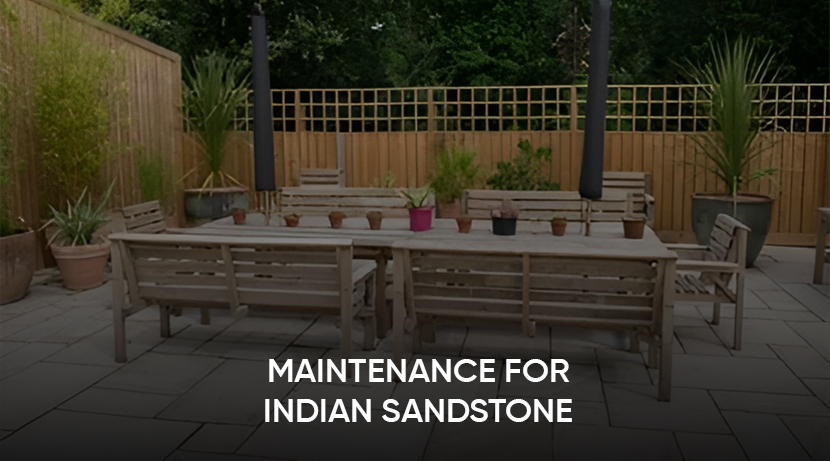
Cleaning
- Regular Sweeping: Holds dirt and debris.
- Mild Soapy Water: Use for routine cleaning to dissolve light stains.
- Pressure Washing: The occasional washing of the moss will remove deep set dirt but be careful to use a low pressure setting as high-pressure settings will erode the surface.
Sealing Recommendations
Sealing the slabs is not compulsory but it gives the slabs a nice finish and are easy to clean. There are two finishes for sealants; matte and gloss, it therefore means that the choice is yours.
The Pros and Cons of Indian Sandstone Patio Slabs
Advantages
- Natural Beauty: With each slab having its own unique color variations and patterns, you’re adding character.
- Long-Lasting: Well made to withstand all forms of weather as well as amount of traffic it gets.
- Eco-Conscious: That’s sustainable and can be disposed of once it has reached the end of its useful life through recycling.
Disadvantages
- Price Variability: Cost will depend on slab type and thickness.
- Weather Sensitivity: Some colors will fade over time without sealant.
Indian Sandstone vs. Other Patio Materials
Indian sandstone is compared with other materials such as concrete, limestone and porcelain slabs.
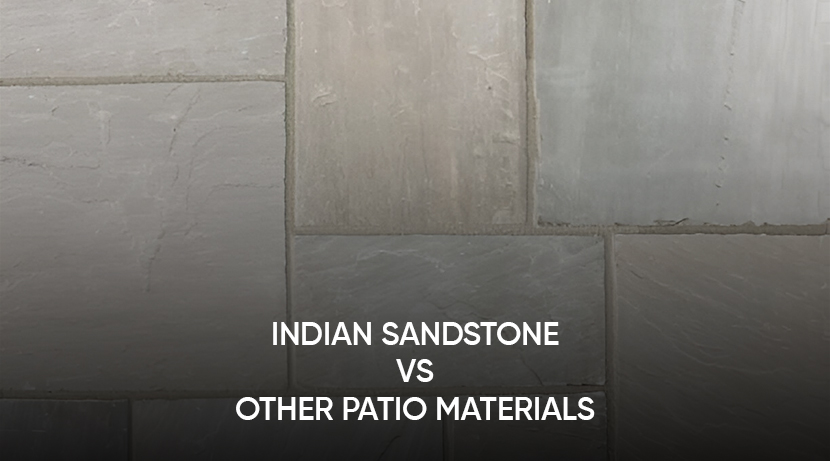
Here’s how it stacks up:
- Concrete: Lower cost, but no natural beauty and color variety in sandstone.
- Limestone: Less color options but similar in durability.
- Porcelain: It's low maintenance, but doesn't look as natural as sandstone.
Final Thoughts
If you want something that is beautiful, long lasting and can also be used in a variety of ways then Indian sandstone patio slabs are just what you need. This type of sandstone is perfect for giving your outdoor area that cottage like feel with its riven texture or a sleek and contemporary appearance with honed finishes. Thus with right choice of colors, appropriate finish and proper care of slabs, you can have a beautiful patio for many years.
Frequently Asked Questions
1. How do you seal Indian sandstone patio slabs?
Clean the Surface: Before sealing, make sure the slabs are clean. Sweep off any loose dirt and debris. Then, use a pressure washer or a stiff brush with soapy water to clean the surface. Allow the slabs to dry completely for at least 24 hours.
Check for Repairs: Inspect the slabs for any cracks or damage. If needed, repair them before proceeding.
Choose the Right Sealer: Pick a suitable sealer for sandstone, such as a breathable, water-based stone sealer.
2. Can I install Indian sandstone myself?
You can, but just make sure you have the right tools and base preparation. For larger areas, you want to hire the professional for the best results.
3. How to clean Indian sandstone patio slabs?
Remove Loose Debris: Start by sweeping the patio to remove dirt, leaves, and other loose debris. Use a broom or a leaf blower to get the surface as clean as possible.
Rinse with Water: Use a hose or pressure washer (on a low setting) to rinse the slabs, which helps remove any surface dirt or dust..
4. Do Indian sandstone slabs work well in shaded areas?
Yes, and they can brighten up shaded spots. Fossil Mint or Raj Green (lighter colors) really add something to shaded areas.
5. Is Indian sandstone environmentally friendly?
Indian sandstone is a natural product that has undergone very little processing, and therefore, is an eco design material.
Are you ready to Elevate Your Outdoor Space?
The Indian sandstone patio slabs can transform the beauty and durability to your garden or patio. Indian sandstone comes in different colors, textures and designs which can easily match any outdoor space. Start browsing our recommended selections and create an enchanting patio with natural beauty quality that lasts long.
Work out your exact order in seconds
Our coverage calculator turns your patio size into the precise number of slabs and packs — 10% waste allowance included.
Free delivery, £0.98 samples, breakage guarantee
Every order ships free with no minimum spend. Order a £0.98 sample first, choose your delivery date, and if a slab arrives broken we replace it — no quibbling.