
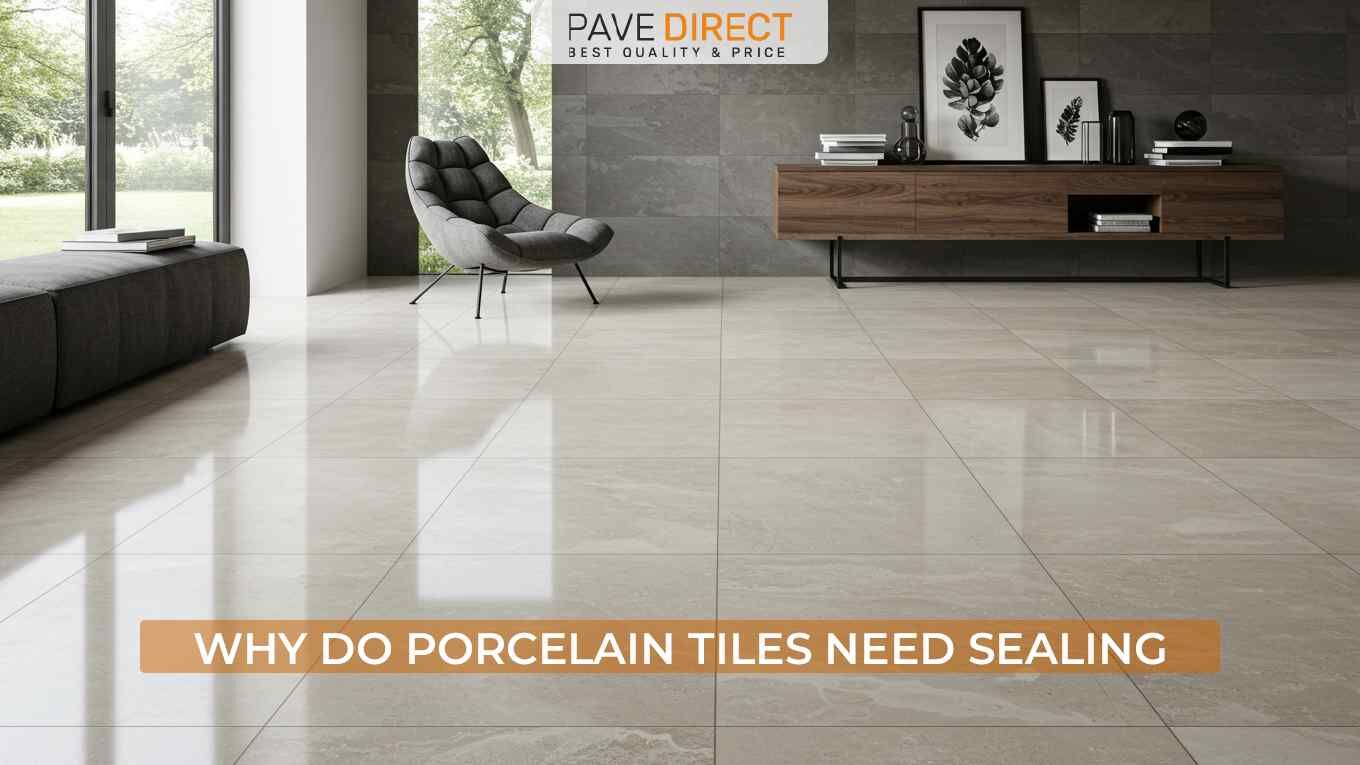
Do porcelain tiles need sealing? That's the most common question homeowners tend to ask. While porcelain is a highly durable and desirable material for the flooring and paving of modern homes and facilities, sealing can make it look even more pristine for a long time.
There are several other reasons why you should seal porcelain tiles. Curious? Let's look into them one by one in this specially curated blog.
Explore Porcelain PavingDiscover modern, durable and low-maintenance outdoor porcelain tiles perfect for patios and gardens. |  |
Reasons to Seal Porcelain Tiles
Here are the reasons why homeowners should choose to seal the porcelain tile floors.
1. Protections from Staining and Damage
Although it is not a necessity like other types of paving and flooring material options, you can seal porcelain to prevent the porcelain tiles from staining and protect them from possible damage over time. A good quality porcelain tile sealer on the tile surface is always a good investment because it rejuvenates the look and durability of the tile.
An unsealed tile is always prone to getting damaged and staining easily. Once stained, it can never go back to its original pristine look. Porcelain does not stain quickly, but when they do, the stains are harder to get off, hence you end up replacing your flooring. In order to save a buck and keep your porcelain flooring looking like new, seal your porcelain tiles.
2. Amps up the Appeal of Porcelain
Even though porcelain tiles come with a pristine appeal, sealing it can give it an entirely new aesthetic look. It is also a great way to rejuvenate your already existing porcelain floor and make it shinier. Looking for that aesthetic wet look or desire a deeper hue of the tile pattern? Porcelain sealants have got you covered! By sealing your porcelain tile, you can have any kind of desired finish, from matte, satin, to glossy.
3. Easy Maintenance of Tile Grout
The other main reason why a lot of people choose to seal their porcelain floors is to maintain the grout. Sealing makes it easier to clean the grout, especially in high-traffic areas, such as bathrooms and kitchens. This also helps the parents and pet owners to keep their homes clean and odour-free.
4. Keeping the Tile Slip-Proof
Sealing the porcelain tiles contributes to their excellent slip-resistant qualities, indirectly making them even more slip-proof for a longer period of time. After sealing, the tiles become slip and mess-proof, making them a perfect flooring option for houses with crawling babies and toddlers.
How to Seal Porcelain Tiles
After understanding the importance of sealing porcelain tiles, the next step is to know how to do so. Porcelain tiles can easily be sealed with a proper high-quality porcelain sealer. Here's how you can seal your porcelain tile floors:
1. Properly Prep the Surface

Before sealing your porcelain floor tiles, it is necessary to prepare the tile thoroughly. Start by cleaning the surface carefully. A clean surface reinforces the sealing and keeps it intact for a long time. For cleaning, choose a mild cleaner with neutral PH or buy a cleaner specifically for porcelain; both options are valid.
Clean and mildly wipe the tile surface. Get rid of dirt, buildup, and stains without scratching the porcelain surface. Once cleaned, let the tile air dry to obliterate the moisture. Any left-out moisture would interfere with the sealant.
2. Use the Right Type of Sealant
There is a wide variety of sealants available on the market, but not all are suitable for use on porcelain tiles. Porcelain tile requires a special type of sealant, known as a penetrating sealer, specially designed to seep into the pores of porcelain tile and its grout.
It completely seals the surface and acts as a barrier between the tile and external damage. This sealant seals the tiles without being abrasive or impacting the appeal of the tiles.
3. Apply an Even Layer

Once the surface is prepped and dry, pour a sufficient amount of the sealant on the surface. Use a fine and soft sponge or brush to spread out the sealant solution. Slowly spread it with the applicator of your choice and keep the pressure steady.
Try to get a fine and thin spread across the tile. Make sure to cover the entire surface and leave no holes for proper application.
4. Wipe Off the Excess Sealant Solution
This is why the thin application was necessary, as we need to wipe off the access solution from the surface. However, every porcelain tile sealer comes with a time range, so always check the instructions for that.
Once the instructed time is over, start wiping the surface. Don't exert excessive force, as it can lead to disturbing the surface seal.
Make sure to wipe slowly and correctly, as left-out unnecessary solution will create streaks and dry up into patches that would affect the look of porcelain.
5. Allow it to Cure
Now is the time to leave it alone and let it cure on its own. This curing time will solidify the surface and seal it completely. Once you seal the porcelain tile floor, avoid walking on it while it's curing.
Conclusion
Here you have it. Hopefully, the central question, "Do porcelain tiles need sealing?" is adequately addressed and answered in this blog. If you have finally decided to seal your porcelain tile floors, then look into the diverse catalogue of Pave Direct. We have everything that you require to seal your porcelain tile flooring, from diverse sealants to paving slabs.
Frequently Asked Questions
1. How often should I seal my porcelain tiles?
Every 2-3 years on average to protect the porcelain surface and keep the pristine look intact.
2. How can you tell if the porcelain tile is properly sealed or not?
To check if the tile is sealed or not, try sprinkling a few drops of water on it. If the water forms into beads, the surface is sealed, but if it soaks, then it needs further sealing.
3. How long does porcelain sealer last?
It will last about 2-5 years if you use a high-quality porcelain sealer.
4. Should I seal the porcelain tile before grouting or after?
The best time to seal the porcelain tile is before grouting to prevent any kind of staining or haze.
5. How long does porcelain tile sealer take to dry?
24-48 hours on average, but every porcelain tile sealer comes with a different time frame for drying and curing. Make sure to look into the instructions on the packaging.
Work out your exact order in seconds
Our coverage calculator turns your patio size into the precise number of slabs and packs — 10% waste allowance included.
Free delivery, £0.98 samples, breakage guarantee
Every order ships free with no minimum spend. Order a £0.98 sample first, choose your delivery date, and if a slab arrives broken we replace it — no quibbling.