
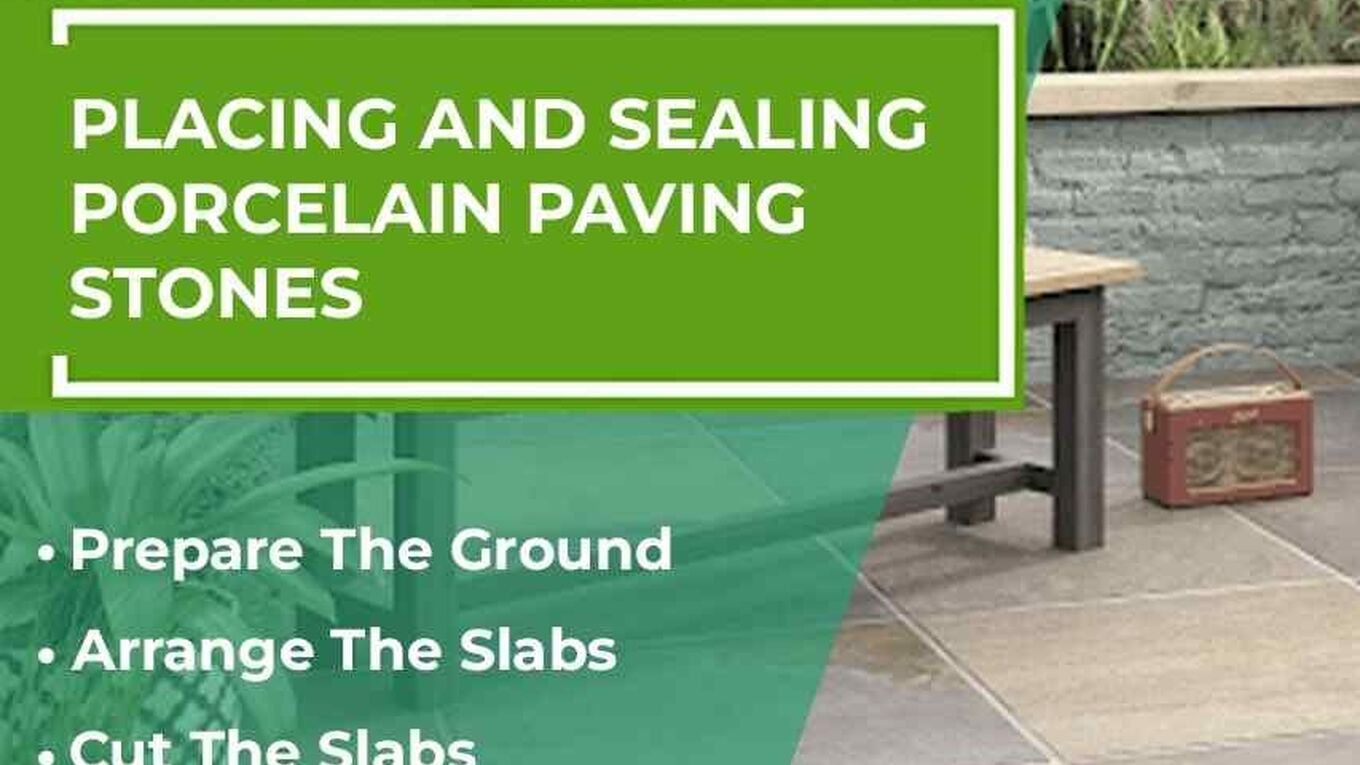
Paving slabs are an excellent way to enhance the appearance of any outdoor space. Whether you're installing in a patio, driveway, terrace, balcony or walkway, choosing the right paving material is essential. Paving slabs come in a variety of materials, including concrete, natural stone, and porcelain paving, and can be arranged in different patterns to suit your style and needs. Lately. Porcelain paving has gained a lot of popularity in the UK because of various reasons.
Porcelain paving is a premium type of paving material that is fabricated from porcelain, a hard-wearing and sturdy ceramic material. This form of paving has become increasingly popular due to its impressive durability, low maintenance requirements, and aesthetically pleasing appearance.
Unlike conventional concrete or stone paving options, porcelain paving is non-porous and resistant to staining, making it an ideal choice for outdoor areas that are exposed to the elements. Additionally, it is effortless to clean & maintain, and comes in a variety of colours and styles to cater to a broad spectrum of design preferences.
Whether you're aiming to create an elegant patio, an inviting walkway, or a functional outdoor entertaining space, porcelain paving offers a premium solution for any exterior hardscaping project.
We at Pave direct have a plethora of Porcelain pavings options, in a range of sizes, designs and colours. You can check out our collection to suit your needs.
However, to ensure that your paving slabs last for many years to come, it's important to lay and grout them properly. So, here, we present a complete guide to laying and grouting paving slabs, using Romex Rompox Easy Grout and Joint it Jointing mortar, including tips and tricks to help you achieve a professional-looking finish.
Laying Porcelain Paving Slabs: A Step-by-Step Guide
Basic Materials You'll Need:
- Paving slabs or gravel
- Mortar mix
- Jointing compounds, such as Romex Rompox Easy Grout or Joint It Jointing Mortar
- Saw
- Pointing tool
- Brush
- Damp cloth
- Sealant
Step 1: Prepare The Ground

The first step in laying paving slabs is to prepare the ground. Make sure the area is leveled and compact. If necessary, remove any grass, weeds, or other vegetation and clear the area of any debris. Then, lay sand or gravel to provide a stable base for the paving slabs.
Step 2: Arrange The Slabs

Next, arrange the paving slabs in a dry run, adjusting them as needed to achieve a uniform pattern. This will give you an idea of how the finished surface will look and allow you to make any necessary adjustments. Mark any cuts that need to be made with a pencil or chalk.
Step 3: Cut The Slabs

If any of the paving slabs need to be cut, use a saw to make the cuts. For concrete or natural stone slabs, a masonry saw or circular saw with a diamond blade will work best. For porcelain paving, you may need to use a specialized tile saw or an angle grinder with a diamond blade.
Step 4: Lay The Slabs

Once the ground is prepared and the slabs are cut, it's time to lay the paving. Start by applying a thin layer of mortar to the ground, then place the slabs onto the mortar, making sure to leave a gap between each slab to allow for jointing. Ensure they are level and well-supported and adjust as necessary. Continue until all the slabs are in place.
Step 5: Grouting The Joints

It’s time to join the slabs now. Jointing/Grouting is the process of filling the gap between the slabs with a special material to provide stability, prevent the growth of weeds, and create a smooth and even surface.
Romex Rompox Easy Grout and Joint it Jointing Mortarare excellent choices for porcelain paving, as they both are specially formulated for use with porcelain materials and provide a strong and durable grout line. Also, they are available in different colours options to blend with the colour of the paving slabs for a more natural look.
To grout the joints, simply mix the grout according to the manufacturer’s instructions and apply it to the joints using a rubber float. Spread the grout evenly and firmly into the joints, making sure to fill all of the voids.
Step 6: Clean Up

Once the grouting is complete, clean any remaining grout residue from the surface of the slabs and allow the grout to cure for at least 24 hours. Clean the surface of the slabs with a damp cloth to remove any dirt or debris.
Step 7: Seal the Surface

Finally, to protect the surface of the paving slabs from staining and weathering, apply a sealant. This will help keep the slabs looking new and beautiful for years to come.
Tips For A Successful Porcelain Paving Installation
- Use a level and compact base. Make sure to excavate the area and add a layer of crushed stone or similar material to form a solid base.
- Allow for proper jointing as it helps to prevent cracking and uneven settling.
- Use the right grout such as Romex Rompox Easy Grout which is specifically formulated for use with porcelain paving to ensure a strong and durable grout line.
- Seal the surface with a high-quality sealant to protect it from staining and damage and ensure the best results.
- Make sure to clean up any grout residue from the surface of the slabs promptly to avoid staining. Use a clean, damp sponge to remove any excess grout.
Conclusion
Laying and grouting porcelain paving slabs properly is essential for a successful outdoor hardscaping project. By following the steps outlined above and using the right materials, you can achieve a beautiful and durable surface that will last for many years to come.
Whether you’re a DIY enthusiast or a professional landscaper, the key to a successful porcelain paving project is preparation, attention to detail, and the use of high-quality materials. With a little bit of patience and care, you can create an outdoor space that you and your family will enjoy for years to come.
Pave Directis a one-stop shop for all your paving needs. We offer a wide range of paving slabs, Grouts and sealants. Check our collection to select the right products for your outdoor project.
FAQs:
1. Do porcelain paving slabs actually need sealing?
Most porcelain paving is already low‑porosity, so it doesn’t require traditional sealing. However, many installers still apply a pre‑grout protector to prevent jointing compound haze and make cleaning easier. This is different from sealing natural stone.
2. What happens if I don’t use a slurry primer when laying porcelain?
Porcelain has a very low absorption rate, so it won’t bond properly to mortar without a slurry primer. Skipping this step often leads to loose slabs, hollow sounds, or complete failure of the installation.
3. Can porcelain paving be laid on sand or a dry bed?
No — porcelain must be laid on a full wet mortar bed with a slurry primer. Sand or dry‑mix installations will not provide the adhesion porcelain requires.
4. How thick should the mortar bed be for porcelain paving?
A typical installation uses a 30–40mm full wet mortar bed, depending on ground conditions and slab thickness.
5. Why do porcelain slabs sometimes sound hollow after installation?
A hollow sound usually means the slab isn’t fully bonded. This can happen if:
The mortar bed wasn’t full
No slurry primer was usedThe slab wasn’t pressed firmly into place
6. What jointing compound is best for porcelain paving?
Most installers use a fine‑grain, resin‑based jointing compound designed specifically for narrow joints (2–5mm). Standard patio jointing products may not be suitable.
Additional Reading!
Why Choose Indian Sandstone Paving Slabs For Outdoor Space?
Popular Types of Raj Green Sandstone For Your Outdoor Space
Why Pave Direct Is the Best Choice For Kandla Grey Sandstone Paving?
Work out your exact order in seconds
Our coverage calculator turns your patio size into the precise number of slabs and packs — 10% waste allowance included.
Free delivery, £0.98 samples, breakage guarantee
Every order ships free with no minimum spend. Order a £0.98 sample first, choose your delivery date, and if a slab arrives broken we replace it — no quibbling.