
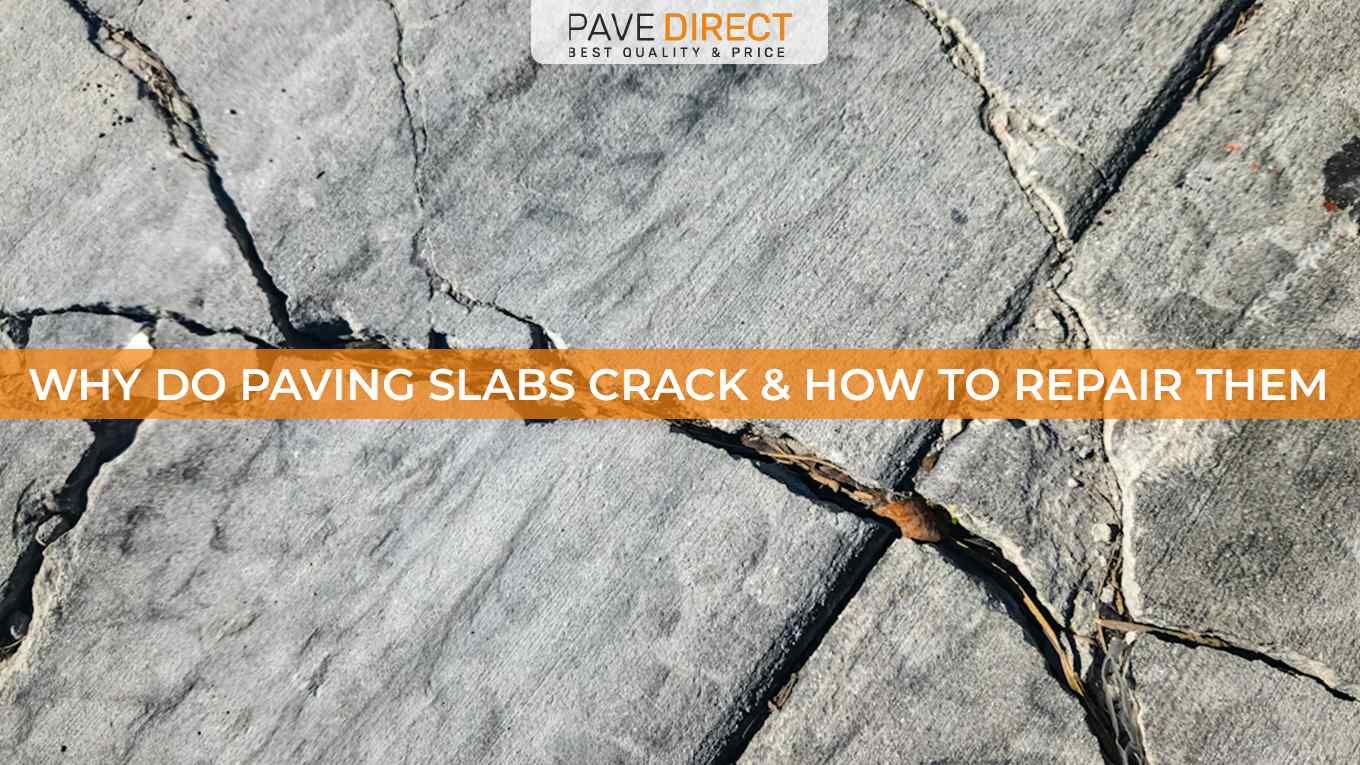
In the UK, one of the most common outdoor problems is cracked paving slabs. When your patio is laid with outdoor porcelain tiles or Indian sandstone paving, cracks can appear over time and often raise several concerns about safety, appearance, and long-term durability.
However, they do not crack without a reason. Most cracks are due to faulty installation, ground instability, very harsh weather exposure, or poor maintenance. Understanding why paving slabs crack is the first step towards choosing the correct repair method and avoiding the same problem again.
Let's find out the real cause of cracked paving slabs and how to repair them properly based on the UK’s ground conditions and weather.
Explore Porcelain PavingDiscover modern, durable and low-maintenance outdoor porcelain tiles perfect for patios and gardens. |  |
Why Paving Slabs Crack
There are several reasons why paving slabs crack, and when you understand them properly, you will be able to remedy them at as little cost as possible.
Poor Ground Prep
One of the first things you need to check when you have a damaged or cracked paving slab is whether the paving slabs were laid on solid ground. Laying paving slabs on an inadequate sub-base, weak soil, or insufficient hardcore, you make moving paving slabs inevitable. Those slabs are destined to flex under weight and eventually crack.
In the UK, it is very common to have clay soils and heavy rainfalls, which is why you need to make sure that your subbase is very strong. Ensuring it, you avoid problems like uneven paving settling, which will cause cracks in your paving, and you will need to repair it every now and then, costing you time and money.
Incorrect Bedding Mortar
When you lay your paving slab or see your landscaper lay it, make sure that you lay a full bed of mortar. AVOID SPOT BEDDING. Spot bedding will create numerous voids under your porcelain paving slabs or sandstone slabs, which will leave weak points that can crack the slabs under pressure.
Using the wrong paving slab fixing mortar, too dry, too weak, or poorly mixed, can also reduce load support. This issue is especially common with patio repair cement that hasn’t been designed for outdoor movement.
Ground Movement
When temperature changes with each season, it forces the ground to contract and expand with it. During winter, the water freezes under the slabs, expands the ground and lifts the slabs. When it thaws, slabs settle unevenly.
The ground’s movement causes:
- Cracks through the centre of slabs
- Loose paving slabs
- Sunken or uneven patio areas
This is one of the most prominent reasons why paving slabs come loose over time.
Heavy Loads and Incorrect Use
All paving slabs cannot be used everywhere. Not all of them are designed to deal with heavy-weight, foot and vehicular traffic. Placing the wrong type of paving slab in the wrong space can cause cracking. For instance, using Porcelain paving 900x600x16 (which are designed to be used as patio slabs or garden paving) in the driveway.
Driveways and high-traffic areas require thicker paving slabs, like 20mm porcelain paving, which are specifically rated for load-bearing use.
Natural Stone Variations
Materials like Indian Sandstone paving and crazy paving slabs are natural products. They have natural veins and cleft lines, which can become stress points if laid incorrectly or exposed to excessive pressure.
Cracked natural stone paving does not always mean that they are of low quality. It mostly means that they are not installed properly or do not have sufficient support underneath.
Can You Repair Cracked Paving Slabs
Yes. In most cases, you can repair cracked paving slabs. You just need to follow the correct guidelines and crucial precautions:
- The size of the crack
- Whether the slab is loose or stable
- The type of paving material used
Note: Small surface cracks can be easily dealt with repairs, but you will need to replace slabs if you see any structural cracks. If you have grey porcelain paving slabs in your garden, you can find the best match at Pave Direct.
How to Repair Cracked Paving Slabs
There are different types of cracks in paving slabs: hairline cracks and cracked slabs. There are different repair methods for both of them.
Hairline Cracks
For minor cracks:
- Clean the crack thoroughly
- Use a resin-based outdoor filler or repair compound
- Smooth and allow to cure
This method is best for decorative corners and crazy paving patio layouts. It also works ideally when very difficult to replace slabs or you cannot find the exact match of your paving.
A Cracked Slab (Long-Term Fix)
If the slab is cracked through:
- Lift the damaged slab carefully
- Remove old mortar and debris
- Rebuild the bedding layer with fresh paving slab fixing mortar
- Re-lay the slab and ensure full support
This is the most reliable solution and prevents future cracking. If your slabs need replacing, Pave Direct provides premium patio slabs based on your needs and matching patio slab colour.
How To Fix Sunken Patio Slabs
Sunken slabs are often mistaken for cracked ones. We know the difference. Let us help you guide how to fix them:
- Lift the affected slab
- Rebuild the sub-base
- Compact hardcore properly
- Re-lay using full mortar coverage
This process also outlines how to repair uneven paving slabs effectively. Sealing paving slabs and joints after repairs helps reduce water penetration and future cracking.
Repairing Patio Grout and Pointing
Cracked or missing joints can allow water underneath slabs, causing movement and cracking. The best solution is to replace failed joints with fresh patio grout. You can also use resin or epoxy jointing compounds
For a deeper comparison, our guide Epoxy vs Cement Grout explains which jointing method lasts longer in UK weather.
Crazy Paving Crack Repairs
Cracks in crazy paving are common due to irregular shapes and thickness variations.
How to repair cracks in crazy paving, you ask? Here is how:
- Minor cracks can be filled with colour-matched resin
- Loose slabs should be lifted and relaid
- Ensure that your slab joints are flexible enough to allow movements and avoid cracking.
If you want your patio paving or garden paving to last longer, it is very important to choose the right slabs for crazy paving and correct pointing.
When Should You Be Concerned About Slab Cracks
Not all cracks are problematic. But it is very important that you pay attention to your patio slabs and you should take action immediately, if:
- Cracks widen over time
- Slabs rock or move underfoot
- Water pools near cracked areas
- Cracks appear across multiple slabs
These signs suggest deeper structural issues rather than cosmetic damage.
What Is the Best Solution for Slab Cracks?
If your slabs are cracked, loose, or you have structural cracks in your paving, here is a short answer to your problems, respectively:
- Small surface cracks: Resin or filler repair
- Loose or sunken slabs: Lift and relay
- Structural cracks: Full slab replacement
Quick patch fixes rarely last if the underlying problem isn’t addressed.
How to Prevent Future Patio Cracks
It is better to take proactive measures than to repair the whole thing after ignoring it for forever. Here are some of the key preventive measures you can take to ensure that you do not end up with cracked patio paving for a long time.
Key Steps
- Use a solid sub-base with proper compaction
- Lay slabs on a full mortar bed
- Choose slabs suited to the intended use
- Maintain joints and drainage
If you’re redesigning your garden, consider our top garden flooring tile ideas, which offer durable options that reduce cracking risks. Avoid placing excessive weight in one area, especially on patios not designed for vehicular loads.
Repairing Paving Slabs vs Full Patio Replacement
Not all cracked patios mean you need to replace them. If you are careful and apply targeted patio repairs, you can easily restore the stability and appearance of your patio slabs in a fraction of the cost. This applies if the foundation of your paving is strong.
However, if you have poor installation and an inadequate mortar bed or hardcore, it means your cracks are usually widespread and need a full rebuild.
Conclusion
It is very rare to find cracked paving slabs in your garden or patio randomly. They are usually caused by poor installation, spot bedding, ground movement or a weak base. Before you start your repair project, understand the cause of the crack and see whether it is a grout issue, full-on cracks or just a hairline to determine the level of effort and money it may need.
With the right material, proper preparation, and guidance, you can resolve any patio issue successfully and prevent future similar disasters. Pave Direct provides the best guidance and high-quality natural stone paving and outdoor porcelain tiles that can give you peace of mind with proper installation.
Work out your exact order in seconds
Our coverage calculator turns your patio size into the precise number of slabs and packs — 10% waste allowance included.
Free delivery, £0.98 samples, breakage guarantee
Every order ships free with no minimum spend. Order a £0.98 sample first, choose your delivery date, and if a slab arrives broken we replace it — no quibbling.