
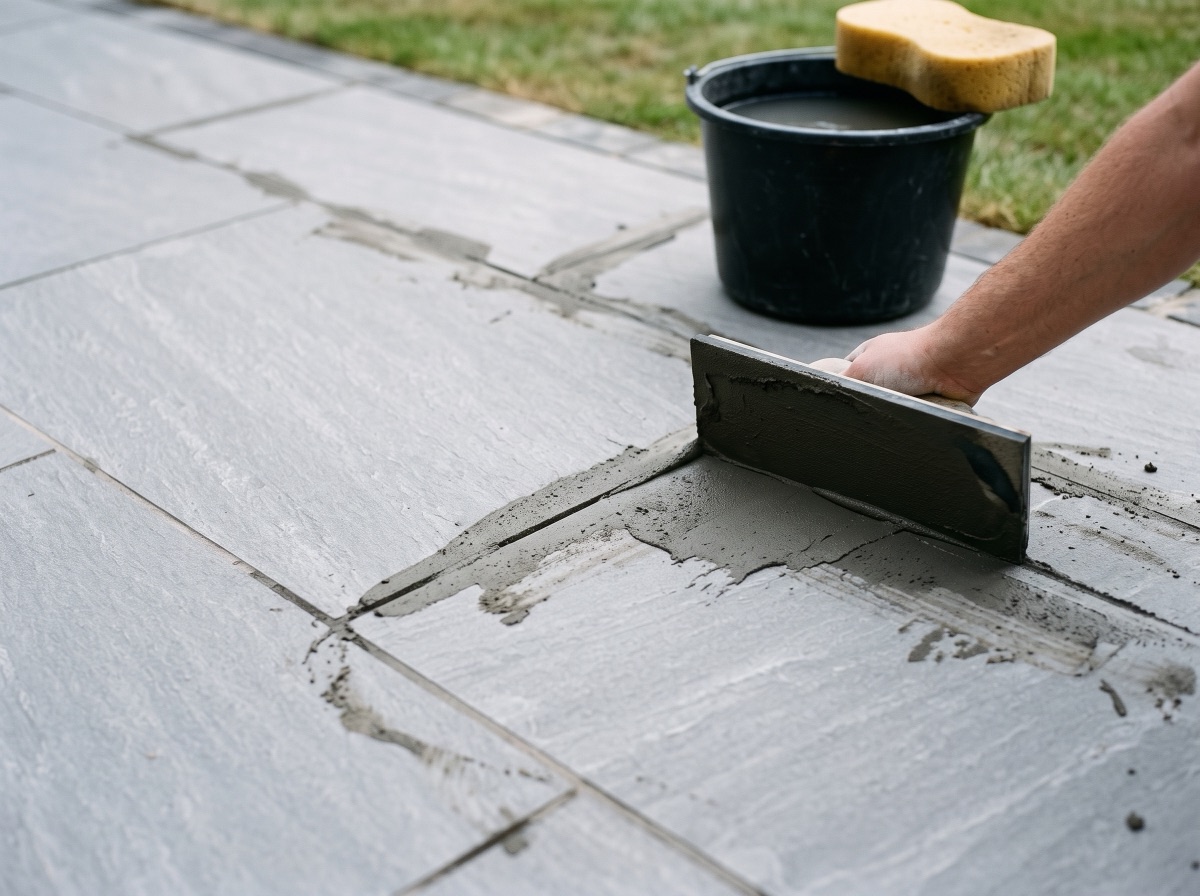
Are you planning to lay porcelain tiles in your outdoor areas? If yes, then here is a guide for choosing the Best Outdoor Grout for Porcelain Tiles Outside.
A suitable quality grout doesn't just enrich the beauty and durability of your tile installation; it protects it against harsh weather and extends the life of your outdoor space.
When installing outdoor porcelain tiles, one common question homeowners and installers ask is which type of grout delivers the best performance outdoors. From weather resistance to long-term durability, the right grout plays a key role in achieving a flawless finish.
In this guide, we’ll explore the different grout options available for outdoor porcelain tiles, highlight their pros and cons, and help you select the most suitable grout for a long-lasting and visually appealing result.
Choosing Outdoor Grout for Porcelain Tiles
Choosing the Best outdoor porcelain tiles grout is a critical consideration that demands expert attention.
✔ When it comes to outdoor tiles, they are constantly exposed to various environmental conditions, including rain, snow, and UV rays. This requires a grout that is capable of enduring these harsh conditions.
✔ Moreover, outdoor tiles tend to take heavy foot traffic, making it crucial to select a grout that is robust enough to withstand frequent use without cracking or losing its integrity.
✔ Lastly, the selection of the best outdoor grout for porcelain tiles is imperative to ensure proper water drainage and prevent water from penetrating the subfloor.

Different Grout Types and Their Applications for Outdoor Tile
When deciding on tiles for your outdoor space, it's essential to consider the type of grout you'll use.
Grout is the material that fills the gaps between the tiles and helps keep them firmly in place.
Different types of grout are available, each with its own benefits and application methods.
By understanding these options, you will select the best garden outdoor tiles for your outdoor tiling project, ensuring that it lasts for a long time and looks great.
Let's take a closer look at the different types of grout you will use for outdoor grout for pavers and how they work.

1. Brush-In Grout (epoxy grout for outdoor porcelain tiles)
Epoxy Grout for outdoor porcelain tiles is amazing due to its composition of epoxy resins and hardeners.
One of the main epoxy grout advantages is that It exhibits excellent resistance to stains, chemicals, and extreme weather conditions.
Depending upon the product, epoxy grouts should be placed at a minimum thickness of 1 inch (2.54 cm) and a maximum of 3-6 inches (7.6 to 15.2 cm).
Application: Epoxy grout is also less prone to cracking or shrinking, which makes it an ideal choice for outdoor applications where durability is a top priority.

2. Slurry Mix Grout (Pre-Mixed grout)
Slurry mix grout, or pre-mixed grout, is an excellent choice for time-critical outdoor projects.
It eliminates the need for measuring and mixing water and dry grout, as it comes pre-mixed and ready to use.
It varies in thickness from 1/16 inch to 1/8 inch, making it a versatile option for various tile installations.
Ideal for: This type of best patio grout is typically suitable for narrow joints and offers decent water resistance.

3. Unsanded Grout
Did you know that unsanded grout is made of finely ground cement and is perfect for narrow joints up to 1/8 inch wide?
Unfortunately, unsanded grout tends to crack under extreme temperature changes and may not withstand the outdoor elements and other grout types.
On the bright side, its thickness is generally around 1/16 inch, giving it a smooth and sleek appearance that's perfect for indoor tiles.
Application uses: It's a popular choice for indoor applications, but outdoor areas have better options.

4. Furan Grout
Did you know that Furan grout is highly resistant to chemicals, acids, and high temperatures? This type of cement-based grout contains fine sand particles that add strength and durability to your work.
Composition: It's made up of a unique blend of chemicals, including furfuryl alcohol resin. This makes it a popular choice for industrial settings where harsh conditions are expected.
Thickness: Its rounded fine sand particles make it perfect for both thin and thick grout lines, ranging from 1/16" to 3/4".
However, it's not typically recommended for general outdoor tile installations.

5. Fine-Sanded Grout
While it's true that this best patio grout withstands occasional exposure to water and mild cleaning agents, it's important to note that it may require sealing to enhance its water resistance.
So, if you want your grouting project to stand the test of time, make sure to take this into account.
6. Exterior Grout for Porcelain Tiles
Are you planning to upgrade your tile grout exterior space with some beautiful porcelain paving slabs? You'll need a reliable grout that withstands harsh outdoor elements.
That's where exterior tile grout comes into play! It's specially designed for outdoor use and resists fading, cracking, and staining thanks to its blend of polymer-modified cement.
Ideal Application: This magical formula also provides excellent water resistance and durability, making it the perfect choice for outdoor porcelain tiles.
Thickness: You can vary the thickness of the grout between 1/8 inch to 1/4 inch. So, if you want to keep your outdoor tiles looking great for years, consider using outdoor porcelain tile grout.

7. Jointing Grout
Jointing grout is the best outdoor grout for porcelain tiles with wide joints. This amazing ready-to-use cement-based grout can do wonders for your project.
It is applied to joints up to 2 inches wide, providing excellent water resistance and flexibility.
And the best part? Jointing grout accommodates the natural movement of your outdoor tiles, ensuring long-lasting results.
Thickness: Depending on the manufacturer's specifications, its thickness can vary, typically around 1/4 inch.
Be sure to give your outdoor tiles the love and protection they deserve with jointing grout!
8. Waterproof Exterior Tile Grout
When choosing grout for outdoor porcelain tiles, Waterproof Exterior Tile Grout is an excellent option for ensuring durability and resistance to weather elements. Designed to withstand harsh outdoor conditions, this grout type is formulated with advanced materials that offer the following key benefits:
Water Resistance: Waterproof grout prevents water penetration, which is crucial for protecting tiles from damage caused by moisture, such as cracking or loosening due to freeze-thaw cycles.
Stain Resistance: Its non-porous nature makes it highly resistant to stains from dirt, algae, or spills, keeping clean the outdoor space and low-maintenance.
UV Stability: Unlike traditional grouts that may fade or discolor when exposed to sunlight, waterproof grout maintains its color and appearance over time.
Flexible and Crack-Resistant: This grout type adapts to slight movements in tiles caused by temperature fluctuations, reducing the risk of cracking.
Application Versatility: Ideal for patios, walkways, pool areas, and garden spaces, waterproof grout is compatible with various joint widths and porcelain tile types.
What's the Most Suitable Grout for Outdoor Tile Installation?
When selecting grout for outdoor tile laying, many areas exist. Still, epoxy is the best patio grout choice for outdoor tile.
Its layer durability, water resistance, and resistance to weathering, make it an excellent investment for your outdoor space.
Of course, your budget and personal preferences are also essential factors to consider before making a final decision.
But with epoxy grout, you will rest assured that your outdoor tiles will withstand the test of time and look great for years to come.
Is It Necessary To Seal The Grout After Tiling?
Sealing the grout after tiling for outdoor applications is highly advisable, as this protects against water penetration, stains, and mold growth.
The selection of a high-quality grout sealer specifically designed for outdoor use is crucial to maximize its effectiveness and durability.
Key Factors in Choosing the Best Grout for Porcelain Slabs
When picking the best grout for porcelain slabs, several technical factors must be considered to ensure a successful and long-lasting installation.
These factors include colour coordination, durability, and ease of application. Making the right choice significantly impacts the overall aesthetic and functionality of your outdoor space.
Let's delve into the essential technical considerations to remember when selecting grout for your project, grout application techniques and also some grout maintenance tips.
Selecting the Colour
Consider choosing a grout colour that complements the best grout for paving slabs and the overall aesthetic of your outdoor space. Light-coloured grout may require more maintenance to keep it looking clean and stain-free.
Considering the Cost
Different types of grout vary in cost. Factor in your budget when deciding, but remember that investing in high-quality grout pays off in the long run, as it minimizes the need for repairs or replacements.
Looking at the Overall Appearance
Take into account the desired look of your outdoor area. Some best grout for outdoor porcelain tiles offer a more seamless and uniform appearance, while others may provide a contrasting effect that enhances the beauty of the tiles.
Matching the Shade of the Grout
Ensure that the grout colour complements the colour and tone of the porcelain tiles. Experimenting with grout samples before deciding will help you achieve the desired aesthetic outcome.
Make Your Porcelain Paving Look Amazing with Pave Direct Grout!
Looking to create a breathtaking outdoor space that will last for years to come? Look no further than Pave Direct.
With our extensive selection of premium grout options especially designed for outdoor porcelain tiles, you will trust that your project will be beautiful and durable.
Let our team of experts guide you in selecting the best outdoor grout for porcelain tiles for your needs and create an outdoor tile installation that will leave you and your guests in awe.
For a complete installation, including the right adhesives for your porcelain paving, check out our guide on Best Adhesives for Installing Porcelain Paving.
Get in touch with us, and let's make your outdoor tile project a success!
Conclusion
Choosing the best outdoor grout for porcelain tiles is critical to ensuring a resilient and visually pleasing installation.
It is advisable to consider the particular demands of your project, such as weather conditions, foot traffic, desired aesthetics, and grout thickness when making your grout selection.
Investing in high-quality grout is a wise decision as it guarantees the longevity and beauty of your outdoor space.
Pave Direct is a trusted UK supplier of porcelain paving and natural stone, offering a wide range of high-quality options for outdoor spaces. Our products are carefully sourced to deliver durability, style, and affordable pricing.
Frequently Asked Questions(FAQs):
1. How to Mix Tile Grout?
- Prepare Materials – Get grout powder, water, a mixing bucket, and a trowel or drill mixer.
- Add Water First – Pour a small amount of clean water into the bucket.
- Mix in Grout Powder – Gradually add grout while stirring to avoid lumps.
- Stir to Smooth Consistency – Mix until it’s like peanut butter—thick but spreadable.
- Let It Slake – Let it rest for 5–10 minutes to activate properly.
- Remix Before Use – Stir again before applying, adjusting consistency if needed.
2. Can You Regrout Outdoor Porcelain Tiles?
Yes, it is possible to regrout outdoor porcelain tiles. However, removing the existing grout and correctly applying new grout may require professional assistance.
3. Can I Use Cement as Grout?
Cement grout is used in tile work, but there are better options. Cement is used as a grout for outdoor porcelain tiles, but it provides a different level of water resistance and durability than other grout types. It is recommended to consider epoxy or exterior tile grout for optimal results.
4. Is Epoxy Grout Better Than Cement Grout?
Epoxy is generally considered the best patio grout to cement grout due to its increased durability, water resistance, and resistance to staining. It is more expensive than cement grout. However, cement grout is suitable for specific applications and budgets.
5. What Is the Lifespan of Epoxy Grout?
Interestingly, the lifespan of epoxy grout is a minimum of 10 years. Epoxy grout forms a stronger & durable bond between the tiles when applied. This is due to its exciting benefits & strong bond.
6. Is There Waterproof Grout Available?
Yes, grout options offer excellent water resistance, such as epoxy grout and exterior tile grout. These are the best outdoor grout for porcelain tiles and are formulated to withstand outdoor elements and prevent water damage.
7. Best grout for porcelain tiles outside?
Jointing grout is an excellent option for outdoor porcelain tiles with wide joints, but epoxy grout is generally considered the best choice for patio tiles.
8. Best jointing compound for porcelain paving?
The best jointing compound for porcelain paving is a porcelain-specific brush-in compound, such as EASYJoint Porcelain or similar products. These are designed for non-porous slabs, offering strong adhesion, a clean finish, and long-lasting resistance to weeds, frost, and rain.
Additional Reading!
Low Cost Paving Slabs: Cheap Paving Solution for Outdoor Spaces

